

Medical and healthcare-related waste

 Frequently asked questions (FAQs)
 Disposal of other waste (information in Lithuanian)
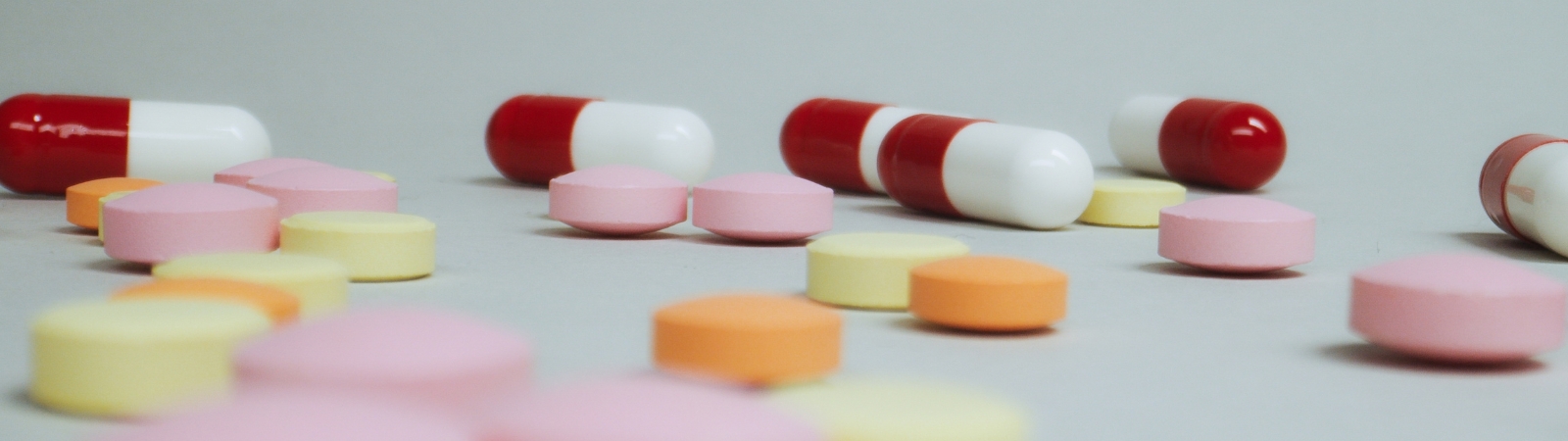
If medical waste is not managed properly, it can contaminate soil, groundwater, and surface waters, where aquatic animals and plants can have almost direct contact with pharmaceutical residues. Some pharmaceuticals can also harm microorganisms in wastewater treatment plants, so pharmaceutical waste can have both direct and indirect effects on the environment. Also, some healthcare waste can be infected, so it is very important to sort it and dispose of it properly so as not to pose a risk to the environment and human health.

✅ Expired or unneeded medication that are marked as "medication", "prescription medication" or "non-prescription medication" must be handed over to a pharmacy. All pharmacies accept medication free of charge.
 Medication must not be thrown into bins of mixed municipal waste.
Improperly managed medical waste can contaminate soil, surface waters, and pose a risk to wildlife.
It is forbidden to flush medications down the drain.
Wastewater treatment plants are not designed to remove medication substances from wastewater. Therefore, medications poured into the drain enter surface waters (medication substances contained in antibiotics, antidepressants, etc. are found in Lithuanian rivers every year (in Lithuanian), posing a risk to fish, other aquatic and terrestrial animals, and ecosystems.
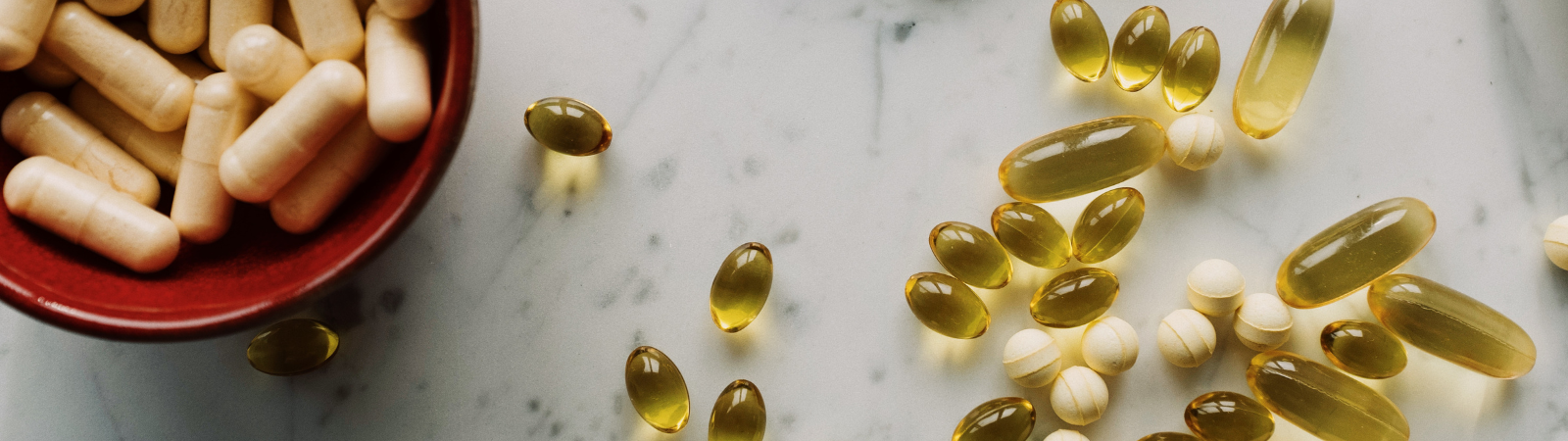
✅ Vitamins and dietary supplements should be thrown into bins of mixed municipal waste.
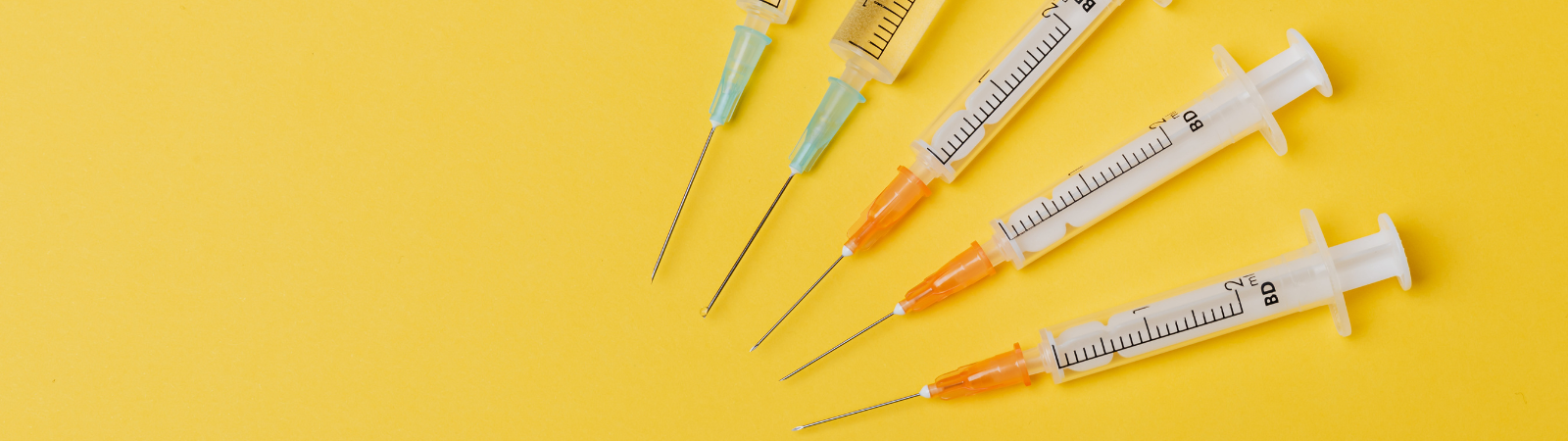
✅ Needles, syringes with needles, and other sharp items should be placed in sealed, piercing-resistant containers (for example, metal boxes, bleach or detergent bottles with a screw-on or tightly closed lid). The containers should be labelled or marked as sharp items/syringes/hazardous waste, so that waste management company employees can distinguish that they are hazardous waste and ensure that they are properly disposed of, and in addition, employees can avoid injuries (by accidentally stabbing themselves with a syringe). Syringes or other sharp objects, placed in safe containers and labelled, can be thrown into a bin of mixed municipal waste.
It is prohibited to throw syringes into bins intended for plastic packaging.
✅ Some bulky waste collection sites (in Lithuanian) accept used syringes (according to the procedure established by the sites*), however, before taking them to bulky waste collection sites, it is necessary to call and make sure that the specific site accepts such waste.
Sharp objects should not be placed in glass containers, plastic PET bottles, cardboard boxes, as they can be pierced, and glass containers can break.
Needles should not be flushed down the drain, as they are light and float on the surface of the water. Therefore, needles are difficult to remove from wastewater treatment plants and can enter the environment.
* Different waste collection sites for bulky (large-sized) waste may have different conditions for waste acceptance, waste acceptance quantities, or may not accept certain types of waste. For more information, contact the relevant municipality or bulky waste collection site.
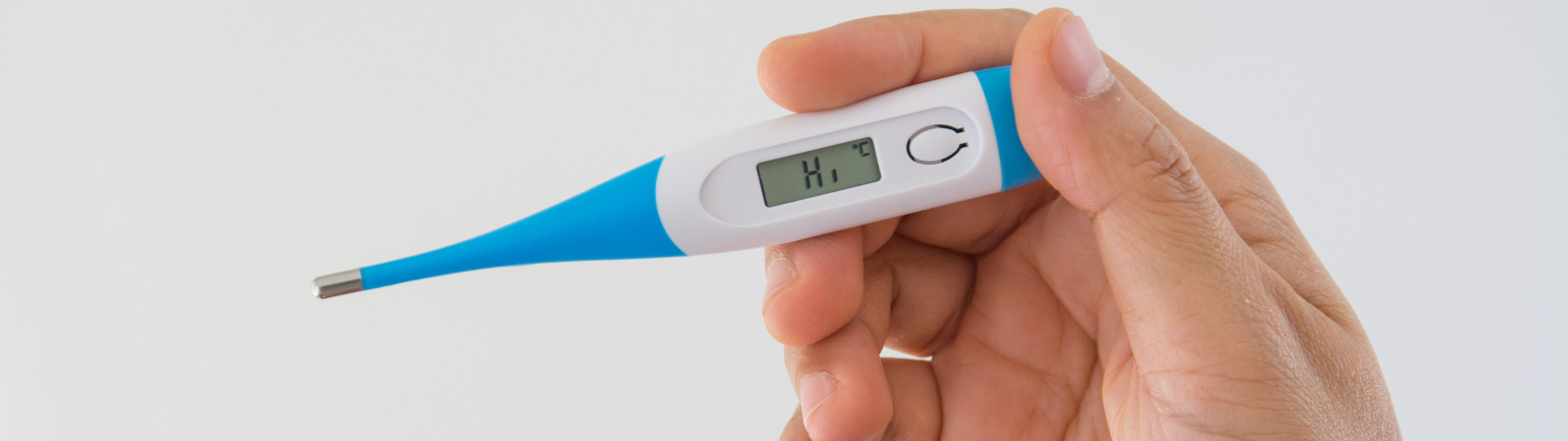
Digital thermometers
✅ Can be thrown away into bins for small electronics (they can be found in shopping malls).
✅ Electric thermometers can be handed in at points of sale where digital thermometers of the same type are sold.
✅ Can be thrown away into bins for small electronics* (for example, at collection points set up by the Association of Electronics Distributors "EEPA" or at collection points set up by the "Organization of Electronics Manufacturers and Importers").
✅ Can be handed in at bulky waste collection points (in accordance with the procedure established by the sites**).
❌ It is forbidden to throw it into containers of mixed municipal waste.
More information about electronic waste is available here.
Mercury thermometers
✅ Mercury thermometers can be delivered to bulky waste collection points or to other companies (the service may be subject to charges) that are authorised to handle mercury waste (such companies can be found in the GPAIS section "List of waste management sites" (in Lithuanian).
It is prohibited to throw items containing mercury into bins of mixed municipal waste. Mercury-containing waste is considered hazardous and, if released into the environment, can contaminate soil, water, air, pose a risk to human health, animals, etc.
* I.e. at collection points for such waste established by battery manufacturers, importers, or organizations.
** Different waste collection sites for bulky (large-sized) waste may have different conditions for waste acceptance, waste acceptance quantities, or may not accept certain types of waste. For more information, contact the relevant municipality or bulky waste collection site.
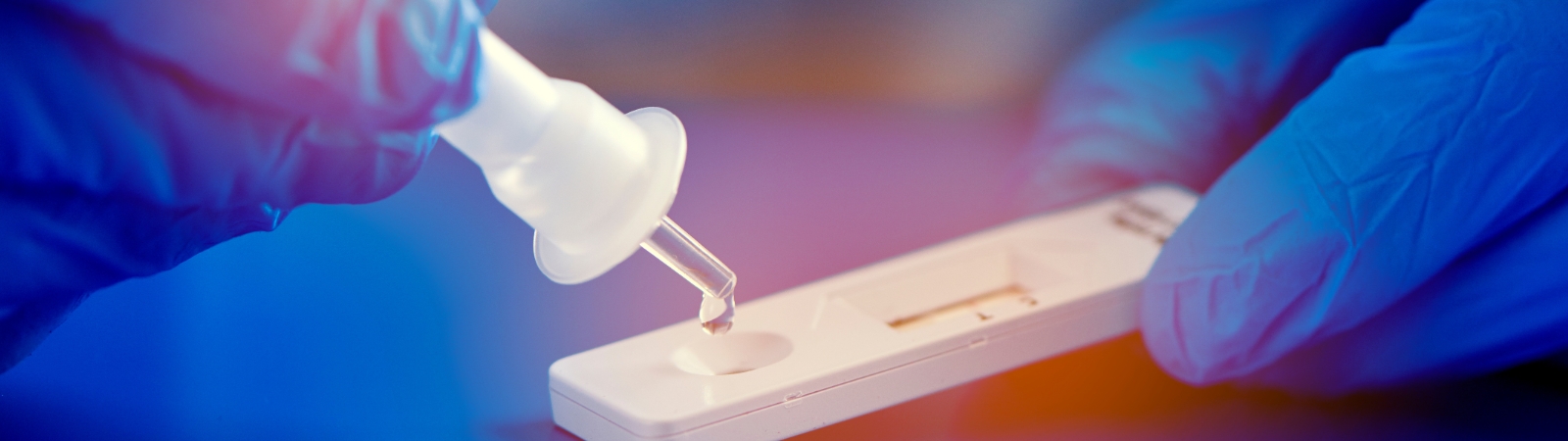
This waste is considered mixed municipal waste.
Residents who undergone Covid and flu testing:
- should collected test waste (test cassette, nasal swabs, face masks, gloves worn during the test, etc.) in a separate liquid-tight bag, which must be placed in an additional bag.
- The bag must be tied tightly and disposed of in a bin of mixed waste.
- Test waste, such as paper, cardboard or plastic packaging, paper instruction booklet, which can be recycled, must be disposed of in paper or plastic containers.
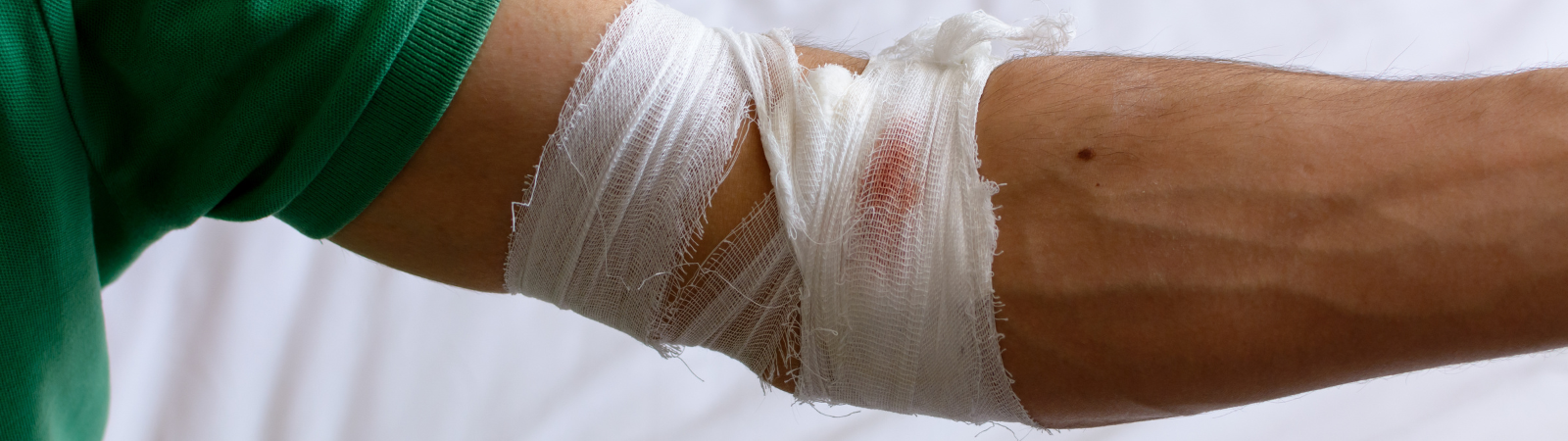
Medical waste can be contaminated with blood or other body fluids of people with various infectious diseases. If such waste enters mixed municipal waste landfills or their mechanical biological treatment facilities, the employees working there may become infected with infectious diseases.
✅ Medical gloves, blood-soaked bandages or dressing should be placed in a separate plastic bag, tied tightly and only then thrown into the mixed municipal waste bag at home, which will be thrown into the bin of mixed municipal waste.